

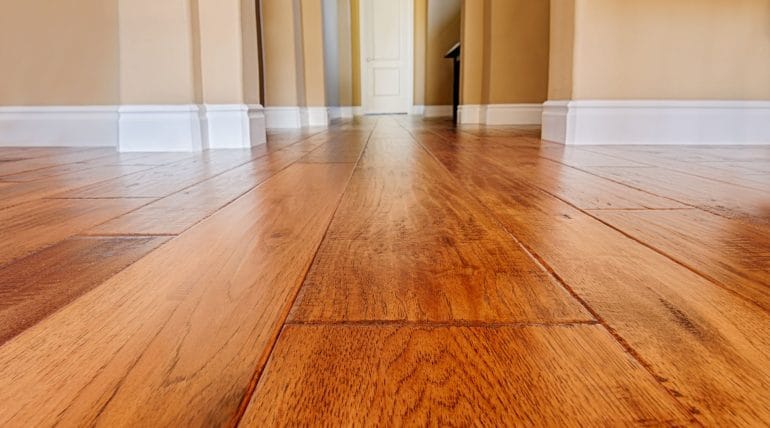
Hardwood floors add a touch of elegance to any home, but they can easily get scratched from everyday activities. Whether it’s from moving furniture, pet claws, or just general wear and tear, scratches can diminish the beauty of your timber floors. Understanding how to fix these scratches can help restore your floor’s original charm.
It’s important to first identify the type and severity of the scratches on your floor. This way, you can apply the right repair techniques to make sure the results blend seamlessly with the rest of the surface. Various tools and methods are available, and knowing when and how to use them will save you time and effort.
In this guide, we’ll explore the best methods to fix scratches on hardwood floors. From picking the right repair kits to preventive measures that keep your floors looking new, you’ll find useful tips to maintain their beauty. Reviving your hardwood doesn’t have to be daunting when you know the tricks to tackle those pesky scratches effectively.
Identifying Types of Scratches on Hardwood Floors
Scratches on hardwood floors come in varying degrees, and it’s vital to know the difference so that you can address them correctly. Surface scratches are the least severe. They affect only the top finish and are usually caused by light, everyday traffic or small debris dragged across the floor. These scratches are more about aesthetics and are generally easy to fix.
Minor scratches go a bit deeper, affecting both the finish and possibly the top layer of the wood itself. They can occur from moving furniture or sharp objects making contact with the floor. Although they penetrate more than surface scratches, they still don’t require extensive repairs.
Deep scratches are the most challenging type to handle. They cut through the finish and into the wood beneath. Heavy furniture moving, deep gouges from sharp objects, or heavy foot traffic in shoes can lead to these severe scratches. You may even feel the depth of these with your fingertip.
To assess the severity of scratches, start by cleaning the floor. Removing dust and dirt will make the scratches clearer. Test the depth by gently running a fingernail across—minor and surface scratches will barely catch, while deep scratches will feel noticeably uneven. Identifying the type of scratch accurately is the first step in choosing the right repair method, ensuring that you address the problem adequately and avoid further damage.
Tools and Materials Needed for Scratch Repair
Repairing scratches on hardwood floors requires the right set of tools and materials. Here’s a handy list to ensure you’re well-prepared:
– Scratch repair kits with various colours to match floor finishes.
– Fine-grit sandpaper for gently smoothing out rough edges.
– Wood filler for deep scratches or gouges.
– Microfibre cloths for cleaning and applying products.
– Wood stain markers or touch-up markers.
– Clear polyurethane or a matching finish to seal repairs.
Choosing the right materials for your specific hardwood type is crucial. Different wood species and finishes react differently to products. Always ensure that the stain, filler, or finish you select compliments your floor’s specific look. Using unsuitable products can result in mismatched tones or textures, making repairs more obvious.
Before applying any product, test it in an inconspicuous area to verify its suitability. By having the correct tools and materials on hand, you can manage scratch repairs efficiently, restoring your floor’s natural beauty with minimal hassle. This approach not only helps correct existing damage but also reinforces the floor’s surface, extending its life and vibrancy.
Step-by-Step Guide to Repairing Hardwood Floor Scratches
Repairing scratches on your hardwood floors doesn’t have to be daunting. Here’s a simple guide to getting the job done.
For surface scratches, begin by cleaning the area with a damp microfibre cloth. Apply a wood stain marker that matches your floor’s finish along the scratch. Wipe off any excess immediately and let it dry. Finish with a layer of clear polish to protect the area.
Minor scratches need a bit more care. Start by gently buffing the scratch with fine-grit sandpaper. This smooths the edges and prepares the wood for repair. Wipe the area clean and apply a matching wood filler. Once dry, sand again for a smooth finish. Complete the repair with a stain and a clear finish to match the existing floor colour.
Deep scratches require the most effort. Clean the scratch, ensuring no debris remains. Use wood filler to fill in the gouge, smoothing it out with a putty knife. After the filler dries, sand the area flush with the surrounding wood. Stain and finish it as needed. This will help the repaired area blend seamlessly with the rest of the floor.
Be patient as you work through each step. Repairing scratches carefully will ensure a smoother finish that matches your floor’s natural beauty, enhancing its appearance and longevity.
Preventive Measures to Protect Hardwood Floors
Protecting your hardwood floors from future scratches is key to maintaining their appeal. Here are some effective strategies:
– Place rugs or runners in high-traffic areas to minimise wear.
– Apply furniture pads under the legs of chairs, tables, and other movable items.
– Trim pet nails regularly to prevent them from scratching the surface.
– Encourage family and guests to remove shoes, especially those with heels, before walking on hardwood floors.
– Use doormats at entrances to trap dirt and debris before they reach your floors.
Furthermore, establish a routine maintenance schedule. Dust and vacuum regularly to remove grit that can scratch floors over time. Use a damp mop with a mild, wood-safe cleaner for deeper cleaning. Always dry floors immediately after cleaning to prevent water damage.
By taking these preventive measures and maintaining your floors regularly, you extend their life and preserve their shine, keeping your home looking its best.
Keeping Your Floors Beautiful
Scratches may seem inevitable, but with the right knowledge and tools, you can effectively handle these minor mishaps to keep your floors in top condition. From identifying the type of scratch to using the correct tools for repair, tackling scratches doesn’t have to be overwhelming. With consistent preventive care, your hardwood floors will maintain their original charm for years.
At Best Buy Flooring, we understand that preserving the beauty of your floors is important. Whether you’re looking for the right products for scratch repairs or need professional advice, our team is ready to assist you. Contact us today to explore a wide range of flooring solutions, including engineered hardwood flooring tailored to your needs. Your hardwood floors deserve the best care, and we’re here to help you every step of the way.